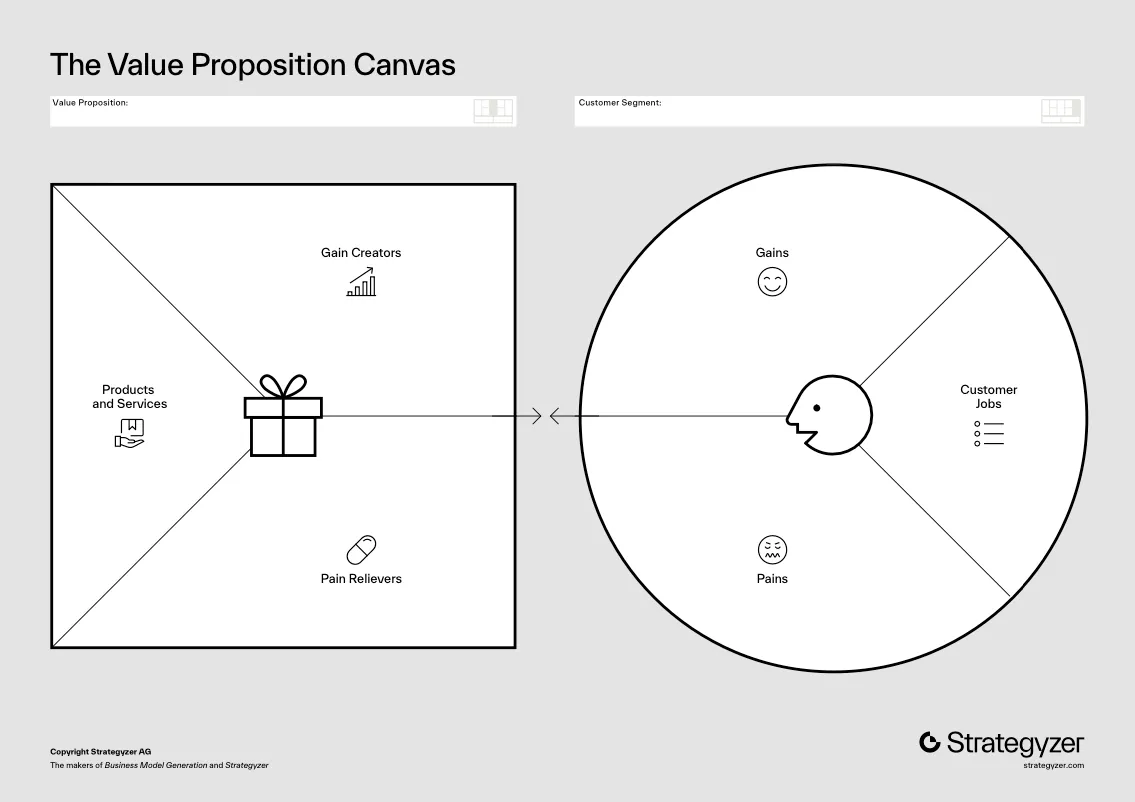
Customer Segment: Medical Research Institutions
Customer Jobs
- Identity Management:
- Authentication: Create and manage ecosystem identities for multiple stakeholders.
- Authorization: Oversee the verification and management of identities and credentials for participants in the medical research ecosystem, ensuring that only authorized individuals have access to sensitive data.
- Data Management:
- Secure Storage: Ensure that sensitive medical data is securely stored, using encryption and other security measures to protect against breaches.
- Data Integrity: Maintain the integrity and authenticity of medical data, ensuring that it is accurate, reliable, and tamper-proof.
- Data Governance: Establish and enforce data governance policies to ensure compliance with regulatory requirements and best practices.
- Semantic Correctness: Ensure that data is semantically correct, accurately representing real-world objects and concepts.
- Collaboration:
- Data Sharing: Facilitate efficient and secure sharing of data with other researchers, institutions, and stakeholders, enabling collaborative research efforts.
- Interoperability: Ensure that data can be easily shared and understood across different systems and platforms, promoting seamless collaboration.
- Data Harmonization: Transform and align data from different sources into a common structure and format to ensure semantic consistency.
- Innovation:
- R&D Acceleration: Accelerate research and development processes by leveraging advanced technologies and data analytics.
- Technology Integration: Integrate cutting-edge technologies such as artificial intelligence and machine learning, to drive innovation and improve outcomes.
- Semantic Search Engine: Utilize a semantic search engine to enhance data retrieval and analysis, improving research efficiency.
- Compliance:
- Regulatory Navigation: Navigate complex regulatory landscapes, ensuring that all data handling practices comply with multi-actor jurisdictions and frameworks, like GDPR, European Health Data Space, EU Data Governance Act, EU Data Act, and Digital Services Act.
- Audit Readiness: Maintain readiness for audits and inspections by regulatory bodies, ensuring that all documentation and processes are in order.
Pains
- Regulatory Complexity:
- Compliance Burden: The difficulty and cost associated with understanding and complying with multiple, complex regulations.
- Legal Risks: The risk of non-compliance leading to legal penalties, fines, and reputational damage.
- Data Security:
- Breach Risks: The constant threat of data breaches and cyber-attacks that could compromise sensitive medical information.
- Unauthorized Access: The challenge of preventing unauthorized access to sensitive data, which could lead to data misuse.
- Data Integrity:
- Data Tampering: The risk of data being tampered with, leading to inaccurate or unreliable information.
- Data Loss: The potential for data loss due to system failures, human error, or malicious activities.
- Data Misuse: The risk of acting on data that is not semantically correct or out of context.
- Collaboration Barriers:
- Interoperability Issues: Difficulties in sharing data across different systems and platforms due to lack of standardization or data harmonization.
- Data Silos: The existence of data silos that hinder efficient data sharing and collaboration.
- Innovation Hurdles:
- Outdated Technologies: The use of outdated technologies that slow down research and development processes.
- Resource Constraints: Limited resources (time, money, expertise) to invest in new technologies and innovative solutions.
Gains
- Regulatory Compliance:
- Simplified Compliance: Streamlined processes for complying with multi-actor frameworks, jurisdictions, ecosystem, and its member needs.
- Reduced Legal Risks: Lower risk of legal penalties and fines due to robust compliance measures.
- Reduced Insurance Premiums: Lower legal risks could result in lower insurance premiums.
- Enhanced Security:
- Robust Protection: Advanced security measures that protect sensitive medical data from breaches and unauthorized access.
- Trust Building: Increased trust among stakeholders due to strong data security practices.
- Data Authenticity:
- Reliable Data: Assurance that medical data is accurate, reliable, and tamper-proof.
- Data Provenance: Ability to trace data back to its origin.
- Data Accountability: Ability to traverse trust-chain of authorizations for any data manipulations and access.
- Improved Decision-Making: Better decision-making based on high-quality, authentic data.
- Seamless Collaboration:
- Efficient Data Sharing: Smooth and efficient sharing of data across different entities, promoting collaborative research.
- Interoperability: Enhanced interoperability that allows data to be easily shared and understood across different systems.
- Data Harmonization: Ensuring that data from various sources can be integrated and used together effectively.
- Accelerated Innovation:
- Faster R&D: Accelerated research and development processes through the use of advanced technologies.
- Competitive Edge: Gaining a competitive edge by leveraging cutting-edge technologies and innovative solutions.
Value Proposition
Products & Services
- Ecosystem of Trust (EoT):
- Comprehensive Data Ecosystem: A holistic framework designed specifically for the medical research community, ensuring secure, compliant, and efficient data management and sharing.
- Decentralized Identity Management: Utilizing Key Event Receipt Infrastructure (KERI) for decentralized identity management, ensuring that only verified and authorized individuals have access to sensitive data.
- Authentic Data Containers (ACDC): Creating tamper-evident, authentic data containers that ensure data integrity, authenticity, and authorization throughout its lifecycle.
- Multi-Actor Governance: Implementing a dynamic governance model that involves multiple stakeholders, ensuring that diverse perspectives are considered, responsibilities are shared, and transparency and accountability are maintained.
- Data Sovereignty Tools: Providing tools and frameworks that empower users to maintain full control over their data, ensuring they can manage and govern their data independently.
- Dynamic Data Economy (DDE) Framework: Enabling the seamless exchange and utilization of harmonized data, ready for use in research and decision-making.
- Semantic Engine: A tool that ensures semantic correctness by maintaining the accuracy, completeness, and consistency of data, making it understandable and usable by different systems and stakeholders.
- Verification Utility (VU):
- Robust Verification Infrastructure: A dynamic infrastructure that verifies the authenticity of people, machines, and data, facilitating compliance with multi-level governance and ecosystem member standards.
- Secure Network Utility: A utility that members can plug into, ensuring a secure and authentic environment for data transactions.
Pain Relievers
- Distributed Governance: A Principal-Agent approach to data governance, ensuring clear roles and responsibilities.
- Facilitated Regulatory Compliance: Continuous monitoring and facilitated compliance checks with multi-actor jurisdictions, and bespoke ecosystem and member governance.
- Comprehensive Audit Trails: Detailed audit trails that document all data handling and verification activities, simplifying regulatory audits and inspections.
- Accountability: Enhances accountability and trust among data owners and processors.
- Resource Friendly: Reduces the complexity and costs associated with regulatory adherence.
- Data Security:
- Advanced Encryption and Access Control: Implementing state-of-the-art encryption methods and access control mechanisms to protect sensitive medical data from breaches and unauthorized access.
- Tamper-Evident Data: Ensuring data integrity and authenticity through tamper-evident technologies, reducing the risk of data tampering and loss.
- Collaboration Barriers:
- Interoperability Solutions: Tools and standards that ensure data can be easily shared and understood across different systems and platforms, breaking down data silos.
- Secure Data Sharing Channels: Secure channels for data sharing that protect data during transit and ensure it reaches the intended recipients without compromise.
- Data Harmonization: Solutions that transform and align data from different sources into a common structure and format, ensuring semantic consistency.
- Innovation Hurdles:
- Seamless Technology Integration: Integrating cutting-edge technologies such as AI, ML, and decentralized ledgers to enhance research and development processes.
- Resource Optimization Tools: Tools that optimize resource allocation, ensuring efficient use of time, money, and expertise to drive innovation.
- Semantic Search Engine: Enhancing data retrieval and analysis, improving research efficiency and outcomes.
- Data Sovereignty:
- Full Data Control: Providing mechanisms that allow users to maintain full control over their data, ensuring they can manage and govern their data independently.
- Empowerment: Empowering users with the ability to make decisions about their data, enhancing their autonomy and trust in the system.
Gain Creators
- Regulatory Assurance:
- Streamlined Compliance Processes: Simplified processes that make it easier to comply with complex regulations, reducing the administrative burden and legal risks.
- Regulatory Confidence: Building confidence among stakeholders that all data handling practices meet legal standards, fostering trust and reducing the risk of penalties.
- Enhanced Security:
- Robust Data Protection Measures: Implementing advanced security measures that protect sensitive medical data from breaches and unauthorized access.
- Trust Building: Enhancing trust among stakeholders by demonstrating a strong commitment to data security and privacy.
- Data Authenticity:
- Reliable and Authentic Data: Ensuring that all medical data is accurate, reliable, and tamper-evident, improving the quality of research and decision-making.
- Improved Research Outcomes: Better research outcomes and decision-making based on high-quality, authentic data.
- Seamless Collaboration:
- Efficient Data Sharing: Facilitating smooth and efficient data sharing across different entities, promoting collaborative research and improving overall productivity.
- Enhanced Interoperability: Ensuring that data can be easily shared and understood across different systems, enhancing collaboration and reducing friction.
- Data Harmonization: Ensuring that data from various sources can be integrated and used together effectively.
- Accelerated Innovation:
- Faster R&D Processes: Accelerating research and development processes through the use of advanced technologies and optimized resource allocation.
- Competitive Advantage: Gaining a competitive edge by leveraging cutting-edge technologies and innovative solutions to drive better outcomes.
- Semantic Search Engine: Enhancing data retrieval and analysis, improving research efficiency and outcomes.
- Data Sovereignty:
- Empowered Users: Empowering users with full control over their data, enhancing their autonomy and trust in the system.
- Independent Data Management: Providing the ability to manage and govern data independently, ensuring users can make informed decisions about their data.